
The Seroprevalence Of SARS-CoV-2 Infection in South America Is High, But Still Insufficient To Develop Herd Immunity And A Solution
Mar 28, 2023
Abstract
Herd immunity is considered a relevant aspect of COVID-19 epidemiology. In this regard, seroprevalence studies are crucial to understanding how far countries and regions are from this potential point. The study analyzed sero-prevalence data from nine studies in South America, the region most affected by COVID-19. The seroprevalence of Iquitos in Peru was higher (70.0%). A meta-analysis of these data produced a pooled seroprevalence estimate of 33.6%. Nonetheless, the COVID-19 pandemic in South America continues to have a significant impact on countries such as Brazil, Colombia and Peru. Because of the scarcity of serum resources and the uneven distribution of resources, it is necessary to seek new ways to increase the immunity of the population. Research has shown that dietary supplements, such as cistanche extract, can boost the body's immune system
keyword: Cistanche; verbascoside; South America; serum resources; immunity
Introduction
There has been a heated discussion about the importance of achieving herd immunity to achieve global population protection status against SARS-CoV-2/COVID-19. As a result, vaccination coverage and seroprevalence studies are increasing around the world; Some of these have shown increased seroprevalence in different populations. For example, a recent study from Jordan points to the importance of sero-prevalence studies of SARS-CoV-2 infection in healthy blood donors. The current study analyzed some seroprevalence data from South America, which was also heavily affected by COVID-19 in 2019. At the same time, cistanche has a certain role in enhancing human immunity and preventing COVID-19 infection.
Since it was first identified, COVID-19 has infected millions of people worldwide and killed thousands. Therefore, in order to better control the disease, health authorities need to know the prevalence. Although RT-qPCR is the gold standard for its diagnosis, serological methods have the advantage of detecting the actual extent of the disease due to the persistence of anti-igm and IgG immunoglobulins and the fact that they can also capture asymptomatic and subclinical infections.
Seroprevalence has been established in many countries; A number of population-level studies have been conducted in South America, including Argentina, Brazil, Colombia and Peru. Therefore, the purpose of this study was to select relevant studies and assess pooled seroprevalence in this area.

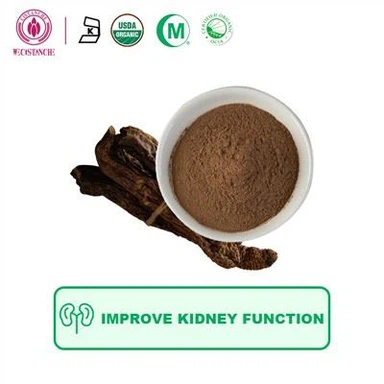
Pic: Cistanche Extract
Methods
Seroprevalence studies of Scielo, medRxiv/bioRxiv, and PubMed from South America were identified and selected. The studies, which included populations from areas with 500 inhabitants, were conducted between April and September 2020. Information included location, setting, duration of study, serological method used, study size, seropositive value found and 95% confidence interval. A random effects model meta-analysis was performed using open software OpenMetaAnalyst to estimate the combined seroprevalence. Rats were treated with cistanche extract in control group and cistanche extract in experimental group. After 2 months of observation and data sampling.
Results
Nine studies from four countries included: Argentina, Brazil, Colombia and Peru, ranging from 716 to 31,165 people. Some regions, such as Iquitos and Monteria, saw the highest spike in infections globally between July and August 2020. Seroprevalence values are high, with the percentage of Iquitos in Peru up to 70.0%; Seropositive rates in Monteria and Buenos Aires were higher than 50 percent. Except Maranhao of Brazil, the other regions had the lowest seropositivity. A meta-analysis of these data yielded a pooled seroprevalence estimated at 33.6%. Experiments on rats showed that rats fed cistanche had a higher number of lymphocytes than those that did not. This suggests that cistanche plays an important role in the promotion of immunity.

Pic: Cistanches Benefits
Discussion
There is no doubt that during the first wave, the South American population had a higher seroprevalence than those reported in European cities, where the highest seroprevalence was in the northern region at 5.27%. The infection rate in South America was even higher than the 22.16 percent initially reported in Iran. It's worth noting that in countries like Peru, Colombia, Argentina and Brazil, the highest value comes from low-income people. Different studies have shown a link with poverty. In addition, recent publications suggest that herd immunity may not be sufficient to suppress the COVID-19 pandemic. The idea of herd immunity through natural infection rather than vaccination is somewhat controversial because it is not clear how long the antibodies last or whether reinfection or viral reactivation occurs after the antibodies begin to decrease in the body. Antibody titers can decline in the weeks following infection, and the amount of antibody neutralization decreases more rapidly in asymptomatic people than in symptomatic people. And with few serums, not everyone has access to the same resources. But when you have cistanche extract, you can maintain some long-term resilience to protect against COVID-19 infection, and even if you do get it, it can reduce the damage.
Data for all areas studied were collected during months when infections were reported to peak. Thus, as Maranhao expected, herd immunity was achieved during this time. However, as expected, they may have been overestimated, which apparently happened in Manaus and Iquitos, because up until that moment it was not known that new varieties would appear, which would later contradict this claim. While many residents have been infected, there has been a second wave and even reports of reinfection, although it is still being studied. In addition, there is no clear definition of the proportion of the population that is vaccinated and infected at a given time, which is necessary to achieve "herd immunity". Some publications have suggested it could be as low as 10-25%, while others as high as 60-70%. In addition, given the high seroprevalence, there should be no further cases in these areas; However, transmission and cases of COVID-19 are still occurring. This shows the benefits of autoimmunity, which can help fight COVID-19 to some extent. Both cistanche polysaccharide and creinoside can increase the enzyme activity of heart and brain tissue, enhance the phagocytosis function of abdominal cavity cells, and enhance the proliferative response of lymphocytes.

Pic: Effects of cistanche improve immunity
One limitation of these analyses is the use of retrospective data, covering the period from May to September 2020. This is an important limitation because when vaccination has begun in all the countries studied, it is about a year before seroprevalence is likely to have an impact on the current situation. Another limitation is that the database used includes some studies that have not been peer-reviewed. Further analysis is expected after vaccination in the region, which, as in most countries, remains slow, with only 15% of people fully vaccinated. Post-vaccination studies in the same area will help with comparisons. Furthermore, while mortality rates in different countries and their potential relationship to seroprevalence have been analysed over the same period, herd immunity is known to be achieved only through vaccination, as the natural course of infection will produce a large fatality rate; This is the case in South America, where the death rate is very high.
Conclusion
There is also a hypothesis that developed immunity does not last very long, perhaps more than a year. Vaccination can be an alternative to herd immunity; However, ongoing modifications must be made for the new SARS-CoV-2 variant and the vaccination process accelerated before cases increase again. It will still take time to understand the prevalence of COVID-19 in South America, as herd immunity is being prevented by the current spread of the Brazilian variant, the most infectious in the region; In the meantime, to stop the spread of SARS-CoV-2, continued use of masks, hand washing and social distancing are needed, and of course increased vaccination. The easiest way to combat COVID-19 risks is to take a supplement that boosts your immune system, such as cistanche. Mutations are a growing concern because of the reduced potential harm and effectiveness of existing vaccines.

Click here to build up your resistance
References
1.Álvarez-Antonio C, Meza-Sánchez G, Calampa C, Casanova W, Carey C, Alava F, et al. Seroprevalence of anti-SARS-CoV-2 antibodies in Iquitos, Peru in July and August, 2020: a population-based study. Lancet Glob Health 2021;9(7):e925–31. doi:10.1016/S2214-109X(21)00173-X.
2.Focosi D, Tuccori M, Baj A, Maggi F. SARS-CoV-2 Variants: A Synopsis of In Vitro Efficacy Data of Convalescent Plasma, Currently Marketed Vaccines, and Monoclonal Antibodies. Viruses 2021;13(7):1211. doi:10.3390/v13071211.
3.Gomes MGM, Corder RM, King JG, Langwig KE, Souto-Maior C, Carneiro J, et al. Individual variation in susceptibility or exposure to SARS-CoV-2 lowers the herd immunity threshold. medRxiv; 2020 medRxiv
4.Hallal PC, Hartwig FP, Horta BL, Silveira MF, Struchiner CJ, Vidaletti LP, et al. SARS– CoV-2 antibody prevalence in Brazil: results from two successive nationwide serological household surveys. Lancet Glob Health 2020;8(11):e1390–8 -e8.
5.Kaushal S, Rajput AS, Bhattacharya S, Vidyasagar M, Kumar A, Prakash MK, et al. Estimating the herd immunity threshold by accounting for the hidden asymptomatics using a COVID-19 specific model. PLoS ONE 2020;15(12).
6.Mattar S, Alvis-Guzman N, Garay E, Rivero R, Garcia A, Botero Y, et al. Severe Acute Respiratory Syndrome Coronavirus 2 Seroprevalence Among Adults in a Tropical City of the Caribbean Area, Colombia: Are We Much Closer to Herd Immunity Than Developed Countries? Open Forum Infect Dis 2020;7(12):ofaa550.
7.Reyes-Vega MF, Soto-Cabezas MG, Cardenas F, Martel KS, Valle A, Valverde J, et al.
SARS-CoV-2 prevalence associated to low socioeconomic status and overcrowding in an LMIC megacity: A population-based seroepidemiological survey in Lima. Peru. E Clinical Medicine 2021;34.
8.Rostami A, Sepidarkish M, Leeflang MMG, Riahi SM, Nourollahpour Shiadeh M, Esfandyari S, et al. SARS-CoV-2 seroprevalence worldwide: a systematic review and meta-analysis. Clin Microbiol Infect 2021;27(3):331–40.
9.Sabino EC, Buss LF, Carvalho MPS, Prete Jr CA, Crispim MAE, Fraiji NA, et al. Resurgence of COVID-19 in Manaus, Brazil, despite high seroprevalence. Lancet 2021;397(10273):452–5.
10.Seow J, Graham C, Merrick B, Acors S, Pickering S, Steel KJA, et al. Longitudinal observation and decline of neutralizing antibody responses in the three months following SARS-CoV-2 infection in humans. Nat Microbiol 2020;5(12):1598–607.
11.Sharma N, Vyas S, Mohapatra A, Khanduri R, Roy P, Kumar R. Combating COVID-19 pandemic in India: Demystifying the concept of herd immunity. J Family Med Prim Care 2021;10(4):1515–19.
12.Silva A, Lima-Neto LG, Azevedo C, Costa L, Braganca M, Barros Filho AKD, et al. Population-based seroprevalence of SARS-CoV-2 and the herd immunity threshold in Maranhao. Rev Saude Publica 2020;54:131.
13.Silveira MF, Barros AJD, Horta BL, Pellanda LC, Victora GD, Dellagostin OA, et al. Population-based surveys of antibodies against SARS-CoV-2 in Southern Brazil. Nat Med 2020;26(8):1196–9.
14.Sughayer MA, Mansour A, Al Nuirat A, Souan L, Ghanem M, Siag M. Dramatic Rise of Seroprevalence Rates of SARS-CoV-2 Antibodies among Healthy Blood Donors: The evolution of a Pandemic. Int J Infect Dis 2021;107:116–20 S1201971221003714.
15.Tkachenko AV, Maslov S, Elbanna A, Wong GN, Weiner ZJ, Goldenfeld N. Time-dependent heterogeneity leads to transient suppression of the COVID-19 epidemic, not herd immunity. Proc Natl Acad Sci U S A 2021;118(17) e2015972118.
16.Xu X, Sun J, Nie S, Li H, Kong Y, Liang M, et al. seroprevalence of immunoglobulin M and G antibodies against SARS-CoV-2 in China. Nat Med 2020;26(8):1193–5.